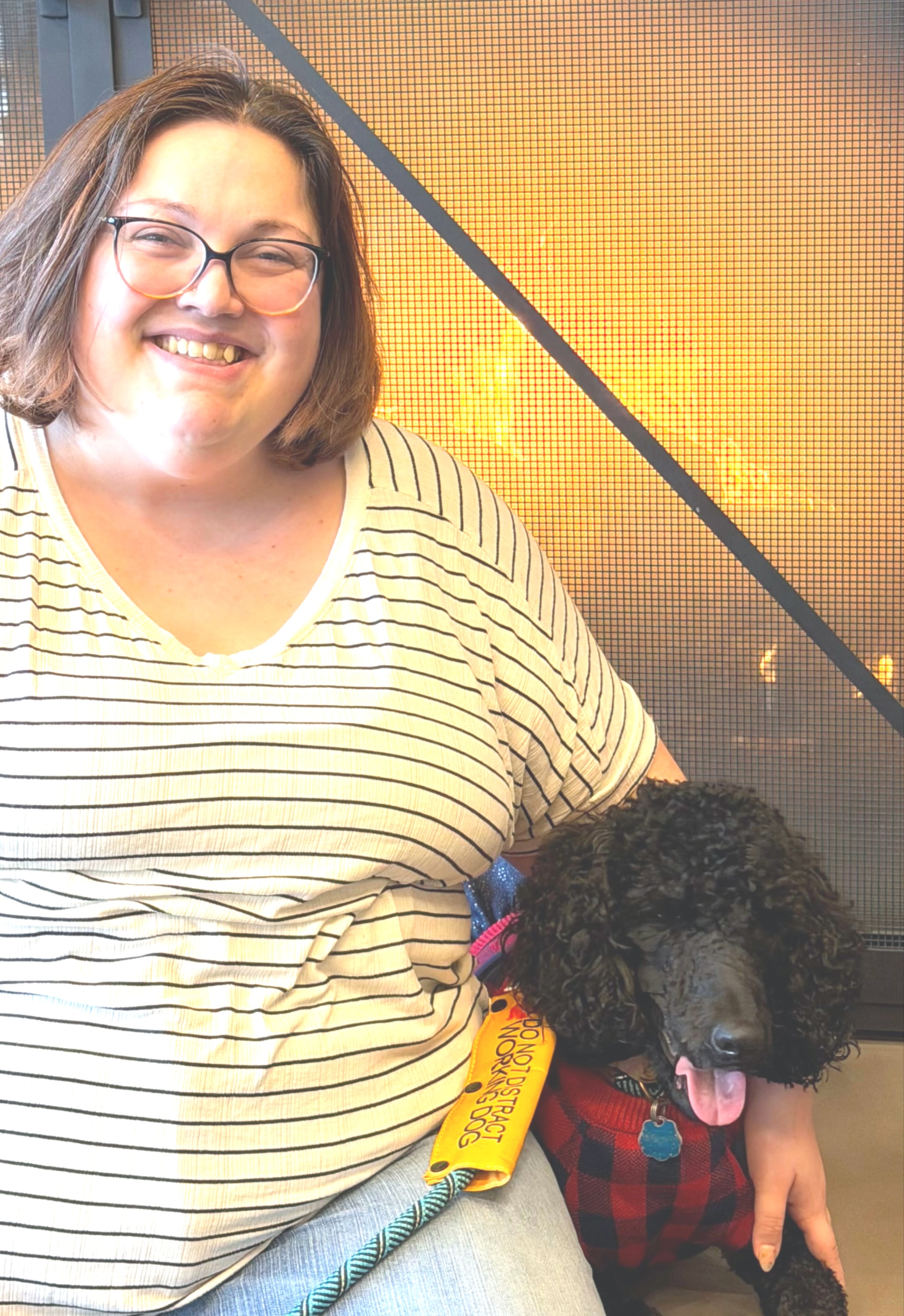
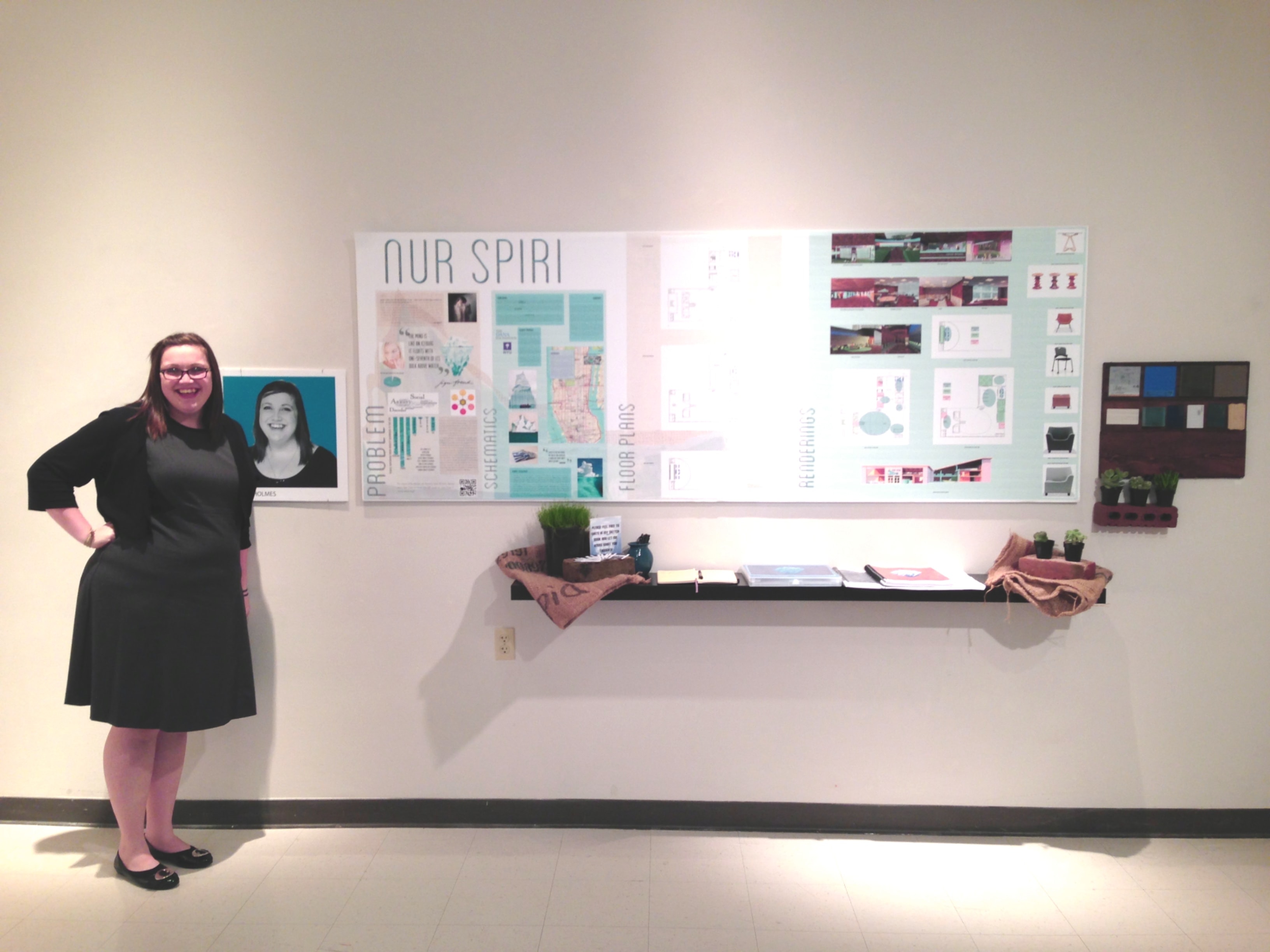
I'm Chelsea — a designer by training and a reviewer by necessity. Living with multiple chronic diagnoses including autoimmune disease, autism, and ADHD means I experience the world differently. And I review it that way too.
My background in design means I evaluate products and spaces with a critical eye — not just "does it work" but "who was this designed for, and who was left out?"
Based in
United States
Community
75,000+ members across autoimmune, autism & ADHD spaces
Before my diagnoses, I was a designer who reviewed products the way everyone else did — aesthetics, price, trend. After, I started asking different questions. Does this packaging open without a full grip? Is this restaurant actually accessible or just technically compliant? Does this skincare account for the fact that autoimmune disease changes your skin?
The questions no one else was asking
Nearly 1 in 4 adults in the US lives with a disability. Chronic illness affects how we shop, eat, travel, and move through the world — yet most reviews are written as if everyone has the same body, brain, and energy levels. I started reviewing for the people who were being left out.
My design training means I don't just ask "is it good?" — I ask "who was this designed for?" That analytical lens, combined with my own lived experience and the 75,000+ community members I'm in conversation with, makes my reviews different.
"Real world referrals from someone who actually lives this life."
— Chelsea Holmes
What I cover
Products and daily life — from skincare to kitchen tools, reviewed for ease of use, sensory comfort, and accessibility. Food and dining — restaurants, cafes, and food products reviewed for accessibility, dietary needs, and sensory-friendly environments. Places and travel — destinations and experiences evaluated for accessibility, rest opportunities, and genuine inclusivity.
Design background
Trained to see what others miss.
Design school teaches you to look at the world as a series of intentional decisions — every material choice, every interface, every physical interaction is the result of someone deciding who they were designing for. I learned early that those decisions often exclude more people than they include.
Human-centered design, applied to real life
My formal training was in human-centered design — the discipline of building things around how people actually live, not how designers imagine they do. I studied usability, accessibility standards, sensory ergonomics, and the psychology of interaction. I wrote papers on universal design. I critiqued packaging for grip failure. I mapped user journeys for people with cognitive differences.
Then I got sick, and everything I had studied became personal. The packaging I had critiqued in theory was now the packaging I couldn't open on a bad flare day. The restaurant I had mapped for accessibility was now the restaurant I had to leave because the noise level triggered a migraine. Design stopped being academic and became survival.
"Good design is invisible. Bad design is a barrier. I review both."
— Chelsea Holmes
The framework behind every review
Every review I publish runs through a design lens before it goes live. I evaluate usability for limited grip and dexterity. I assess sensory load — noise, texture, scent, visual complexity. I look at whether a product's instructions assume a neurotypical user. I consider energy cost: how much does this ask of someone who has very little to give?
This isn't a checklist. It's a way of seeing that took years of training and years of living to develop. It's why my community trusts me — and why brands that work with me get feedback that makes their products genuinely better.
Training
Human-centered design
Formal degree with focus on usability and accessibility
Speciality
Inclusive design
Universal design principles applied to product and place
Method
Lived experience + critical analysis
Every review combines personal use with design evaluation
Community
75,000+ members
Ongoing feedback loop with the people I review for
75,000+Community members across all platforms
1 in 4US adults live with a disability
5+Years of inclusive reviewing
6Review categories covered
Community & reach
75,000+ people who needed this voice.
Autoimmune disease
Lupus, RA, Hashimoto's, Crohn's, and more — the community that first found me and shaped how I review.
Autism & ADHD
Sensory details, executive function, and the things neurotypical reviewers never think to mention.
Chronic pain & fatigue
Fibromyalgia, ME/CFS, EDS — reviewing for energy cost, ease of use, and rest requirements.
Size inclusivity
Whether a restaurant booth fits, whether a hiking trail is genuinely accessible, whether a product works for all bodies.
Disability & mobility
Wheelchair users, cane users, people with limited grip or range of motion — accessibility that goes beyond the ramp.
Mental health
Anxiety, depression, and the intersection of mental and physical health in everyday product and place decisions.
Meet Ebony
My service dog & softest companion.
Ebony is my service dog and one of the most important parts of my daily life. She helps me navigate the world with chronic illness and disability — and she makes every hard day a little softer. You'll spot her in a lot of my content, because she's genuinely part of the story.
"She doesn't just make my life easier — she makes it possible."
Follow along on Instagram @cdholmes1 for more of Ebony.
Work with me
Let's create something meaningful.
I partner with brands committed to genuine inclusivity across products, food, travel, and design. Download my media kit to learn more.